
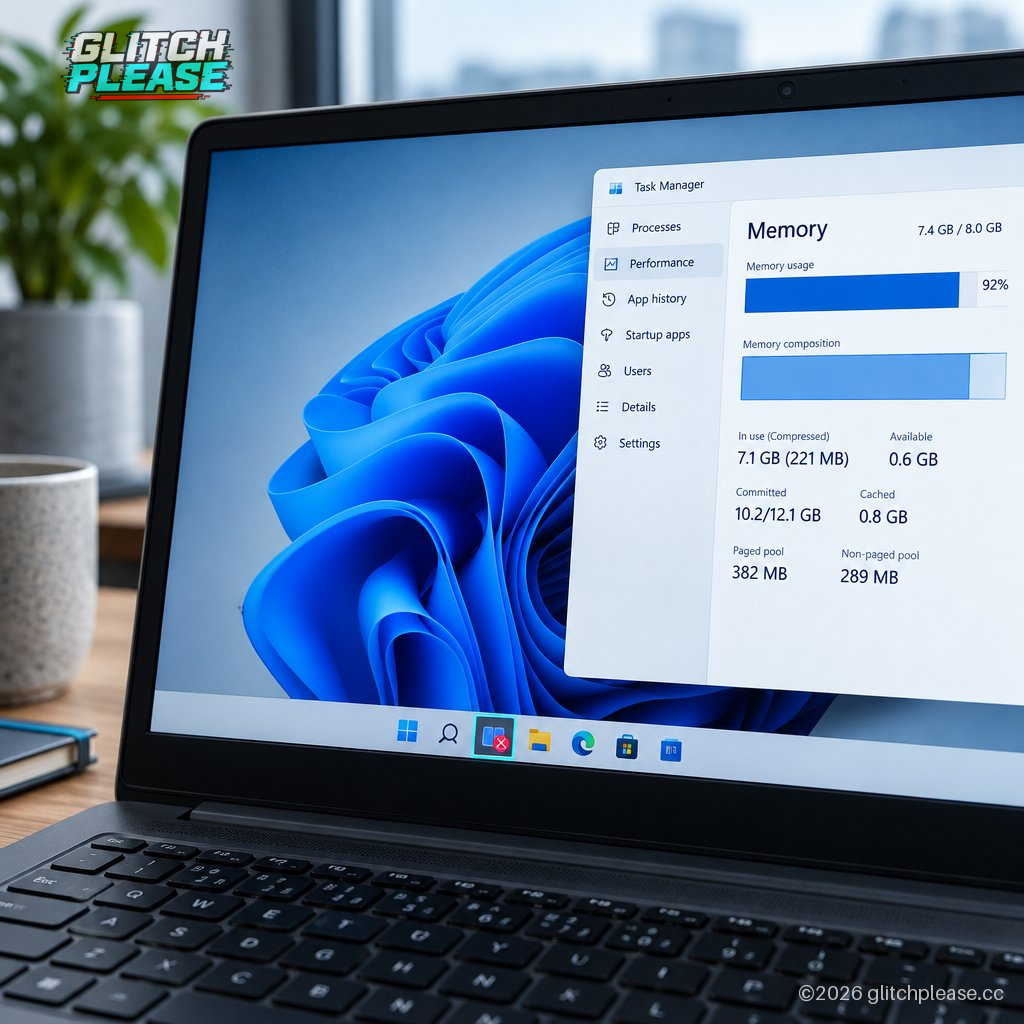
Microsoft says Windows 11 is now “up to 20 percent more responsive” after months of work on performance, reliability and the general experience of using the operating system. The company’s pitch puts particular emphasis on PCs with 8GB of RAM or less, where better memory management is supposed to leave more resources for the apps people actually opened.
That is a useful target. It is also a claim, not a universal speed guarantee: “up to” is doing meaningful work in that 20 percent figure. Microsoft has not specified in the information provided which tasks or tests produce that result, so it should not be read as every Windows 11 PC suddenly getting a fifth faster at everything. Computers, irritatingly, are still affected by their hardware and what they’re asked to do.
Navjot Virk, Microsoft’s corporate vice president of Windows experiences, says the company has improved memory management and efficiency across Windows to keep more system resources focused on active work. Microsoft says the changes can keep up to 2GB more active data in memory rather than moving it to slower storage. When a computer runs short of RAM, shuffling data between memory and storage can make switching between tasks feel sluggish; avoiding some of that shuffling could help.
There is a small but concrete example: on PCs with 8GB of memory or less, Widgets now load only when opened, according to Microsoft. That makes more than 200MB of memory available for apps and other work. It is hardly a dramatic hardware upgrade, but not spending resources on a feature you are not using is the sort of sensible housekeeping operating systems were meant to do before they acquired enough background activity to qualify as roommates.
The performance effort also touches Start, File Explorer, Search and Edge. Microsoft says it has made Windows Update less disruptive, cleaned up Widgets, sped up Windows Hello sign-in and improved Bluetooth pairing. AirPods pairing, specifically, is said to be up to 15 seconds faster. The taskbar can also be moved to the top or sides of the screen—an overdue bit of flexibility, though not a speed improvement unless reaching the bottom of your display was consuming your afternoon.
The next major change is a new Windows Search experience, which Microsoft says is faster and more capable. It is currently available to Windows Insiders, with a broader rollout planned for later this year, according to the company. The Verge’s Tom Warren, who tried it, described it as one of Windows 11’s best additions this year; that is an assessment of the Search feature, not an independent benchmark of the performance claims.
Microsoft laid out its plan to improve Windows 11 earlier this year. These updates suggest the company is addressing everyday friction, from memory use to updates that interrupt people at inconvenient times. Whether the overall system feels 20 percent more responsive will depend on the machine and the task. For now, the most convincing part of the pitch may be the least glamorous: Windows doing less work when you are not asking it to.
Sources: Glitch Please! and The Verge — https://www.theverge.com/news/1011891/microsoft-windows-11-speed-memory-improvements — Reporting by Tom Warren
Generated by AI
