
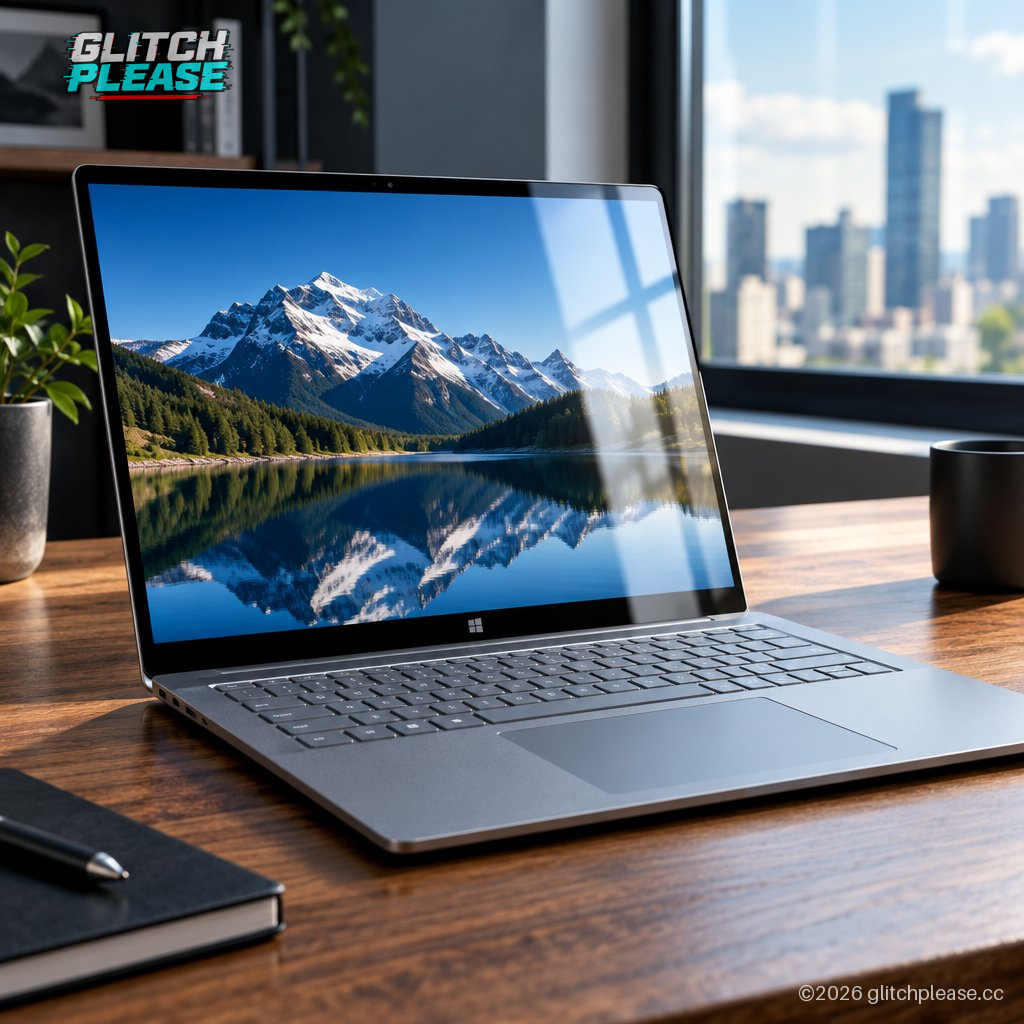
Microsoft’s Surface Laptop Ultra is an attempt to build one premium laptop for development, local AI work and gaming—and, according to Ars Technica’s review, it mostly delivers. The catch is familiar: bleeding-edge hardware comes with bleeding-edge pricing, and some of the software story still appears to be catching up.
The 15-inch model starts at $2,599, with higher configurations reaching $5,899. That puts it firmly in “please know what you need before clicking configure” territory, rather than anywhere near a budget alternative to Apple silicon. Ars Technica tested a 64GB unified-memory configuration and called that a likely sweet spot for balancing cost and performance.
The entry-level configuration has 24GB of unified memory and ships with Windows 11 Home; the other configurations come with Windows 11 Pro. That base model raises an unresolved question. Windows 11 already needs memory to run, and gaming can reserve some unified memory for graphics. Whether 24GB leaves enough breathing room for the laptop’s broader ambitions is not yet clear. Asked about the base model’s usefulness during a review information session, Microsoft offered a vague answer about running smaller local AI models. A more definitive answer may have to wait for software and drivers to mature.
That uncertainty matters because Microsoft and Nvidia are pitching the machine as a multi-purpose system, not merely an expensive screen with a keyboard attached. Ars Technica’s assessment is broadly positive, but the base model’s value is harder to pin down while the software ecosystem catches up. Hardware can arrive in a box on launch day. Confidence about how well it handles every promised workload may take longer.
A display that earns its place
The Ultra’s strongest case may be visible before any demanding workload begins. Its 15-inch mini-LED panel has a native resolution of 3270 × 2180 and a peak brightness of 2,000 nits. Ars Technica found it sharp and vivid for video, games and ordinary desktop work, with deep blacks, strong viewing angles and no visible blooming around bright subjects. Enhanced, Vivid and sRGB color modes all looked good to the reviewer.
There is one practical compromise: the glossy glass can reflect bright surroundings. The screen remained usable in a sunlit room, but glare is worth considering if a matte display is a priority. A 2,000-nit peak brightness helps; it does not repeal reflections.
The review’s verdict is not that Microsoft has produced a flawless universal machine. It is that the Surface Laptop Ultra makes a credible case for combining demanding workloads in one premium laptop, while leaving buyers to weigh the price and the less-settled questions around the 24GB configuration. At these prices, “the software and drivers may catch up” is not a small footnote. It is part of the product buyers are being asked to pay for.
Sources: Glitch Please! and Ars Technica — https://arstechnica.com/reviews/2026/10/the-surface-laptop-ultra-delivers-on-most-of-microsofts-promises/ — Review and testing details
Generated by AI
